

Montessori at Age 3 vs Traditional ECD
- mutendimontessori
- Feb 24
- 3 min read


At age three, your child is not “just starting school.”
They are forming habits. Confidence. Independence. Their first understanding of who they are in the world.
And yet, in many Early Childhood Development (ECD) settings, education at this age is treated as preparation for Grade One — not preparation for life.
So what is the real difference between Montessori at age 3 and traditional ECD?
It is deeper than materials. It is about philosophy.
1️⃣ Independence vs Instruction
In many traditional ECD classrooms, the day is teacher-led:
Sit down.
Stand up.
Repeat after me.
Colour inside the lines.
Children follow instructions well — but rarely make meaningful choices.
In a Montessori 3–6 environment at Nyeredzi Ridge, the child is gently guided toward independence from day one.
A three-year-old:
Pours their own water.
Chooses their work from prepared shelves.
Returns materials independently.
Learns to tidy their space with dignity.
This is not “free play.” It is structured independence.
By age five, this early training shows clearly. Montessori children do not wait to be told what to do. They begin work confidently and complete tasks with focus.
2️⃣ Memorising vs Understanding
Traditional ECD often emphasises early reading drills, counting recitation, and copying from the board. Parents are reassured when children can repeat the alphabet quickly.
But repetition is not the same as comprehension.
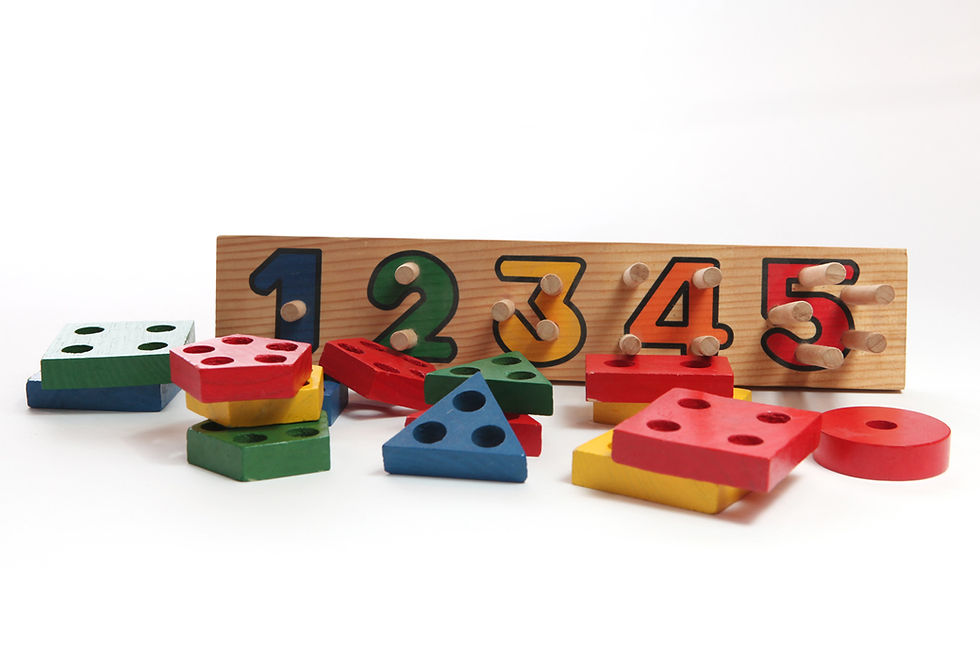
Montessori introduces literacy and numeracy through hands-on materials. Children trace letters before writing them. They build numbers physically before calculating abstractly.
This sequence matters.
Research consistently shows that children who learn concepts concretely before abstract instruction retain understanding longer and apply it more confidently later. By Grade 1, Montessori learners often display deeper number sense and stronger phonetic foundations — not because they were pushed, but because they were prepared properly.
3️⃣ Control Through Fear vs Discipline Through Respect
In some ECD settings, discipline relies on volume and authority. Children comply because they must.
In Montessori, discipline is internal.
At age three, children are taught:
How to wait their turn.
How to interrupt respectfully.
How to handle materials carefully.
How to resolve simple conflicts.
The classroom is calm — not because children are silent, but because they are engaged.
And that calm matters. Especially for children who are sensitive, shy, or adjusting to school for the first time.
4️⃣ Preparing for School vs Preparing for Life
Traditional ECD often focuses on “school readiness.”
Montessori focuses on life readiness.
At Nyeredzi Ridge, Early Years education builds:
Concentration
Coordination
Order
Confidence
Social awareness
These are not soft skills. They are foundational skills.
By the time Montessori children enter Primary, they do not just know letters and numbers. They know how to manage themselves. And that difference compounds year after year.
Why This Choice Matters More Than You Think
The first school experience shapes how a child feels about learning.
If school feels rushed, pressured, or comparative — children learn to perform.
If school feels respectful, structured, and empowering — children learn to engage.
At age three, we are not just teaching content. We are shaping mindset.
Montessori at age three is not about doing more. It is about doing the right things — at the right pace — in the right environment.
Because confident graduates begin as confident three-year-olds.
📩 Want to learn how to enrol your child? ✉️ admin@mutendimontessori.com or WhatsApp +263 783 341 973 🌍 www.mutendimontessori.com | www.chiratidzo.com


Comments